Elemental Sulfur
A naturally mined mineral used as a fungicide and as a slow soil acidifier for blueberries and other acid-loving plants when a soil test shows pH is too high.
What it is
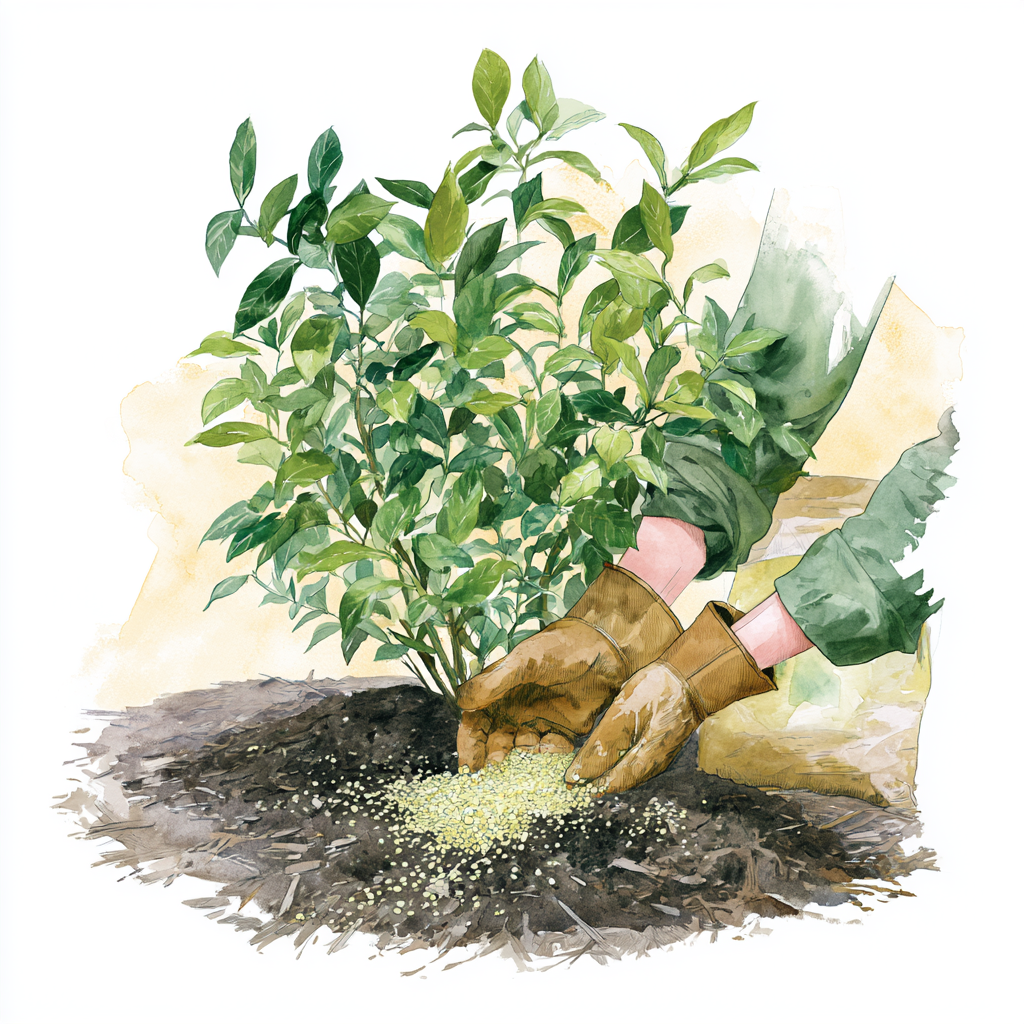
Elemental sulfur is a naturally occurring mineral used in gardens as a fungicide, miticide, and soil acidifier. In soil, microbes gradually convert sulfur into acids that can lower pH over time. For blueberries, this matters because high-pH soil can block nutrient uptake even when nutrients are present. Spent coffee grounds and pine needles are often recommended for acidifying soil, but they usually do not meaningfully lower garden soil pH.
What it does
As a soil amendment, elemental sulfur is the most reliable practical way to lower soil pH for acid-loving plants when a soil test shows pH is too high. As a foliar product, sulfur particles interfere with fungal metabolism and can help prevent powdery mildew, rust, and similar diseases when used according to the label.
When to use
Use elemental sulfur for soil only after a soil test shows pH is too high for the plant you are growing, especially blueberries and other acid-loving crops. For disease use, apply only when the product label lists the plant and problem you are treating.
When not to use
Do not add sulfur blindly if soil pH is already in range or if poor growth is caused by wet roots, compacted soil, or drainage problems. Do not rely on coffee grounds or pine needles to acidify soil, and avoid peat moss for this purpose because peat extraction has a major negative environmental impact. Do not apply sulfur to foliage during hot weather or within 2 weeks of horticultural oil. Avoid sulfur-sensitive plants such as cucumbers, melons, and some apricot varieties unless the label says it is safe.
How to apply
- 1
Test soil pH first with a soil test or reliable home test kit.
- 2
Compare the result to the needs of the plant. Blueberries generally need acidic soil.
- 3
If pH is too high, choose a labeled elemental sulfur or soil acidifier product and follow the package directions for your soil test result and bed size.
- 4
Keep sulfur off leaves and stems unless you are using a product specifically labeled for foliar disease control.
- 5
Retest after several months before adding more. Sulfur changes soil pH slowly, and repeated blind applications can push soil too acidic.
- 6
Do not substitute coffee grounds, pine needles, or peat moss for a soil-tested acidification plan. Coffee grounds and pine needles are not reliable soil acidifiers, and peat moss carries a heavy environmental cost.
Garden, by Willowbottom recommends only organic, wildlife-friendly solutions. No synthetic pesticides, no harmful chemicals - ever.